
10 Best AI Tools for HR in 2026: Automation, Analytics & HR Platforms
AI tools for HR in 2026 automate onboarding, policy queries, and PTO requests, cutting HR admin time by 60%. Compare top platforms. Start your free trial.


TL;DR
The best AI tools for HR combine employee support automation, predictive workforce analytics, and workflow intelligence in one scalable platform.

Modern HR teams use AI for recruiting intelligence, ticket automation, sentiment analysis, retention forecasting, and workforce visibility dashboards.
The right platform should balance predictive insights, workflow automation, enterprise integrations, and ease of adoption across HR teams.
Workativ stands out by combining AI HR assistants, sentiment analytics, workflow automation, and actionable recommendations in a no-code environment.
HR teams today manage large amounts of employee data, service requests, and workforce processes. Traditional HR software helps store information, but it often lacks the intelligence needed to analyze trends, predict workforce needs, or automate routine HR tasks.
This is where AI tools for HR are making a difference. These tools use technologies like predictive analytics, AI assistants, and automation to help HR teams streamline operations, gain workforce insights, and make better decisions.
In this blog, we explore the 10 best AI tools for HR that are helping organizations improve recruiting, automate HR support, and gain deeper visibility into workforce trends. The guide also explains key use cases, benefits, and how to evaluate the right AI tools and AI platforms for HR for your organization.
What are AI tools for HR?
An HR AI Agent is among the core AI tools for HR that help teams automate tasks, analyze workforce data, and generate insights that support better decision-making.
Instead of relying only on manual processes or basic HR systems, these tools can identify patterns in employee data, automate routine HR requests, and provide insights that help HR leaders plan and manage their workforce more effectively.
Modern AI tools for HR are used across multiple HR functions, including recruiting, employee support, workforce analytics, and HR service management. By combining automation with intelligent insights, they help HR teams reduce operational workload while improving the speed and quality of HR decisions.
How AI tools differ from traditional HR software
Aspect | Traditional HR Software | AI Tools for HR |
Role | Manages employee records and HR processes | Analyzes data and supports HR decisions |
Automation | Basic workflow automation | Intelligent automation using AI |
Insights | Static reports | Real-time workforce insights |
Employee support | Manual HR responses | AI assistants for instant support |
Decision-making | Reactive | Predictive and data-driven |
Traditional HR software mainly focuses on storing employee records, managing payroll, or tracking HR processes. While these systems are useful for administration, they usually rely on manual reporting and limited automation.
AI tools for HR go a step further by analyzing workforce data and providing recommendations or predictions. They can automatically answer employee questions, detect workforce trends, predict retention risks, and automate HR workflows. This allows HR teams to move from reactive operations to proactive workforce management.
Core technologies powering AI tools for HR
AI tools for HR rely on several technologies to analyze data and automate tasks.
Machine learning helps systems learn from workforce data and identify patterns such as employee behavior or engagement trends.
Natural language processing (NLP) enables AI assistants to understand employee questions and respond to HR queries conversationally.
Predictive analytics helps forecast workforce outcomes such as attrition risk, hiring demand, or performance trends.
Workforce intelligence dashboards provide HR leaders with visual insights into employee trends, service requests, and HR performance metrics.
Many modern AI tools operate through integrated AI platforms for HR that combine analytics, automation, and decision intelligence in a single system. These platforms allow HR teams to manage employee support, workforce insights, and HR workflows in a single centralized environment.
Key use cases of AI tools for HR
AI tools are helping HR teams automate routine tasks, analyze workforce data, and improve employee support. These tools are now widely used across different HR functions to increase efficiency and enable more data-driven HR decisions.
AI-powered employee support and HR assistants : HR chatbots provide employees with instant answers to common HR questions related to policies, leave, payroll, and benefits, reducing HR ticket volume and enabling self-service.
AI screening and recruiting intelligence : AI tools help HR teams screen resumes, identify suitable candidates, and automate parts of the hiring process. This speeds up recruitment and helps recruiters focus on higher-value interactions with candidates.
Predictive workforce analytics and retention forecasting : AI tools analyze employee data to identify patterns related to performance, engagement, and attrition. HR leaders can use these insights to anticipate retention risks and plan workforce strategies more effectively.
HR service desk automation and ticket intelligence : Across hr ai use cases, AI tools categorize HR tickets, route requests to the right teams, and automate repetitive HR service tasks, improving response times and reducing manual workload.
Workforce insights and HR analytics dashboards : AI-powered dashboards allow HR leaders to track workforce trends, HR service performance, and employee requests in real time, enabling better operational visibility.
Employee experience monitoring and engagement analytics : AI tools analyze employee feedback, sentiment, and engagement signals to help organizations understand workforce needs and improve the overall employee experience.
ONE PLATFORM FOR ALL OF THESE USE CASES
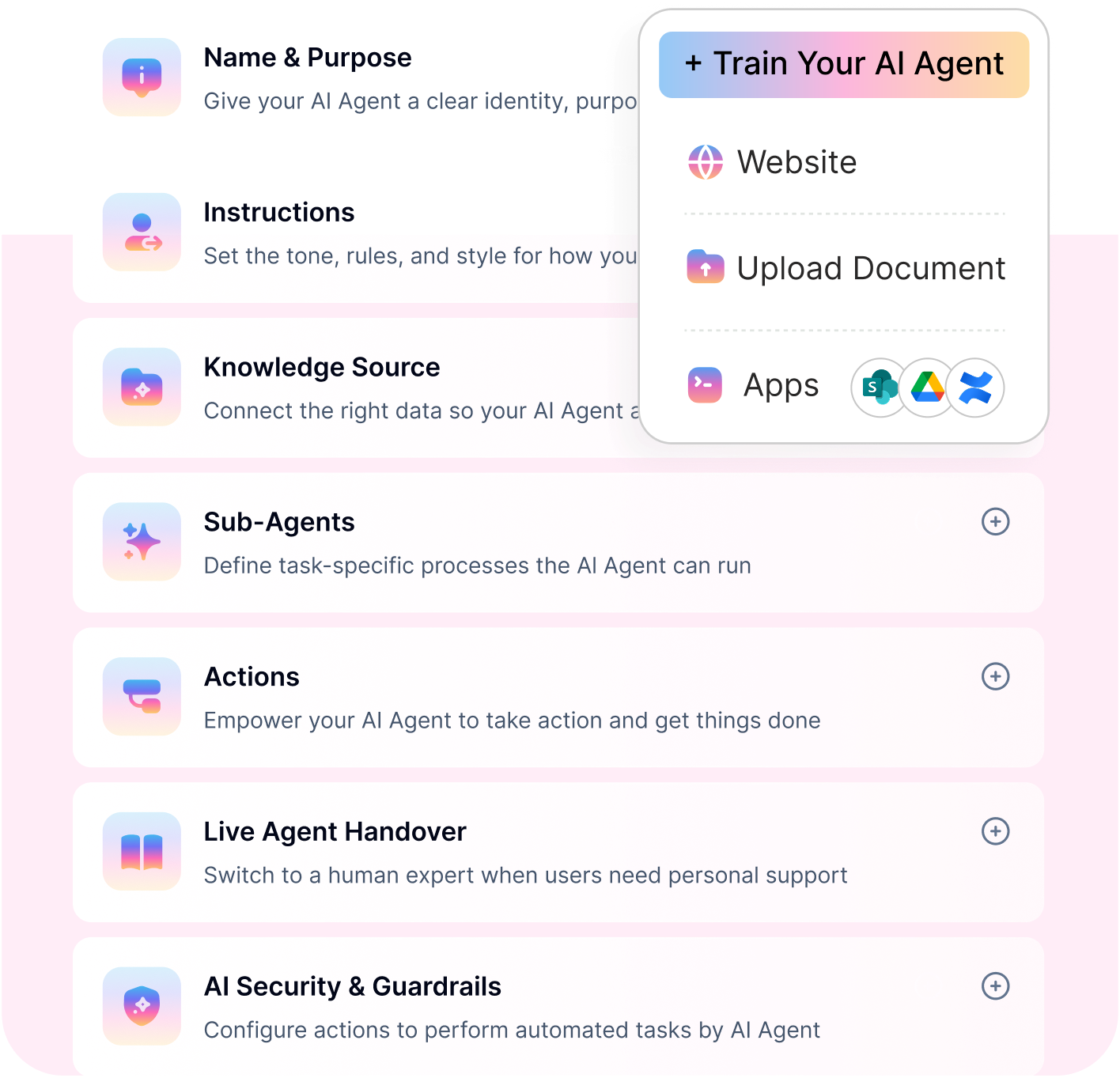
Workativ combines HR automation, employee support and workforce insights - inside Slack or Teams.
No-code · Enterprise integrations · Live in weeks
See a Quick Demo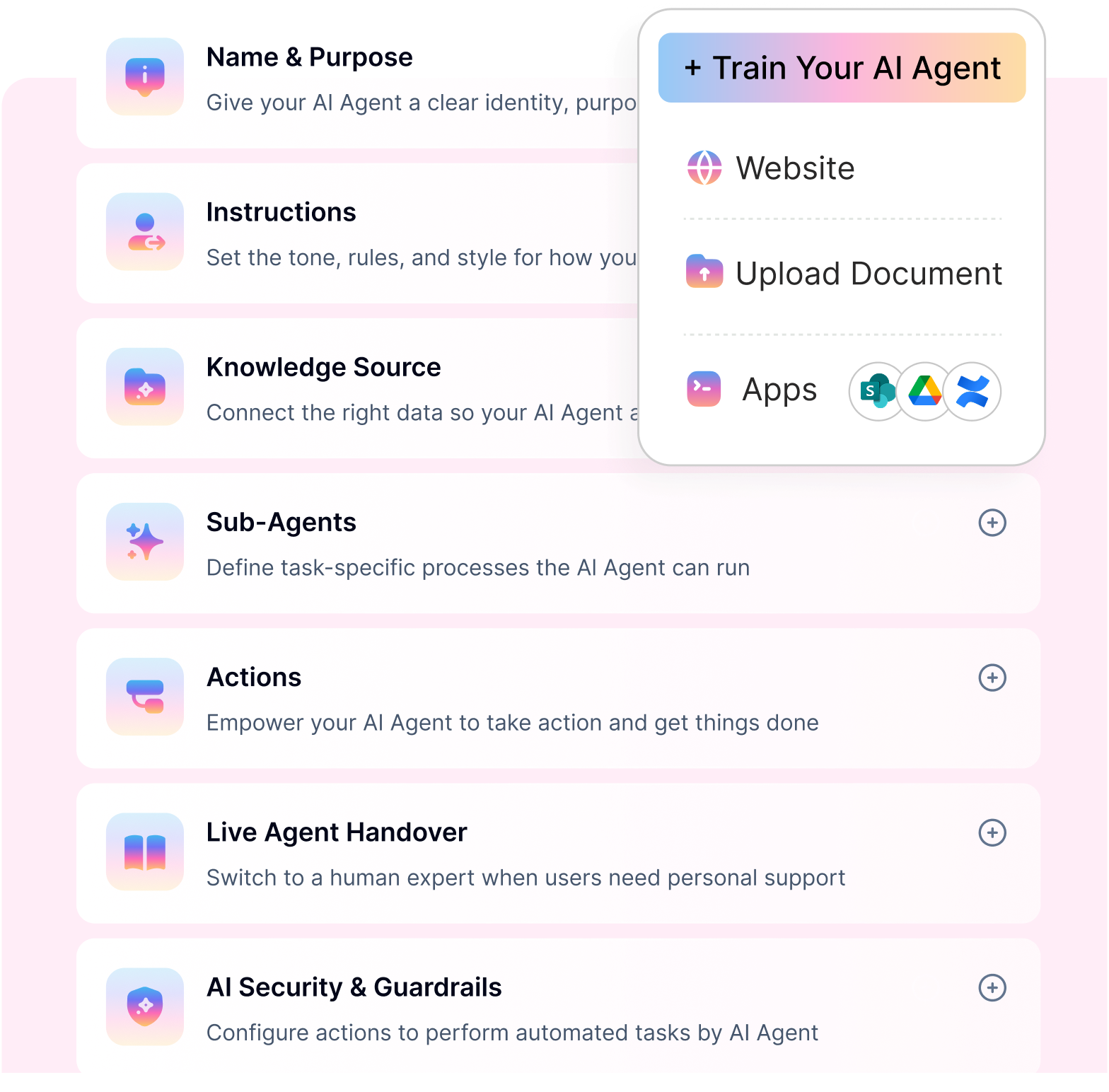
Benefits of adopting AI tools for HR
AI tools are helping HR teams move beyond manual processes and basic reporting. By combining automation, analytics, and intelligent insights, these tools enable HR leaders to operate more efficiently and make better workforce decisions.
Stronger data-driven HR decision-making : AI tools analyze workforce data and surface insights that help HR leaders make informed decisions about hiring, retention, and workforce planning.
Improved workforce visibility and insights : AI-powered dashboards provide real-time visibility into workforce trends, HR service requests, and employee engagement signals.
Reduced manual HR workload through automation : The ai benefits in hr automation are clear — routine tasks like answering employee questions, processing requests, and managing service tickets can be automated, freeing HR teams for strategic work.
Faster HR service delivery and employee support : AI assistants can instantly respond to employee queries, improving response times and reducing delays in HR support.
Predictive workforce planning and talent intelligence : AI tools help HR leaders anticipate workforce needs by identifying patterns related to attrition, hiring demand, and employee performance.
Better employee experience across the organization : By providing faster support, improved communication, and personalized HR interactions, AI tools help organizations deliver a better overall employee experience.
10 best AI tools for HR in 2026
Modern HR teams are increasingly adopting AI tools for HR to automate routine processes, improve recruiting efficiency, and gain deeper insights into workforce trends. These tools combine capabilities such as automation, predictive analytics, AI assistants, and workforce intelligence dashboards to help HR leaders make better decisions and improve employee support.
In this section, we highlight some of the best AI tools for HR in 2026 that help organizations streamline HR operations, enhance employee experience, and turn workforce data into actionable insights.
Workativ - AI tool for HR automation and employee support

Workativ is an advanced AI tool for HR that helps organizations automate HR operations while generating actionable insights from employee interactions and support requests. The platform combines AI assistants, workflow automation, and intelligent analytics to help HR teams improve service delivery, understand employee needs, and continuously optimize HR processes.
In addition to automating routine HR tasks, Workativ provides AI-driven dashboards and sentiment analysis that help HR leaders identify workforce trends, engagement patterns, and operational bottlenecks.
Key capabilities:
AI HR assistant: Workativ provides instant responses to employee questions about HR policies, benefits, leave management, and payroll across Slack, Teams, and internal portals.
HR workflow automation: Workativ orchestration engine automates HR processes such as onboarding, leave approvals, document requests, and HR service workflows.
AI insights and sentiment analytics: With Workativ AI tools, you can analyze employee conversations to identify sentiment, engagement levels, and recurring issues, helping HR teams detect trends and improve employee experience.
HR analytics dashboards: Track HR performance metrics such as resolution rates, response times, employee query categories, and service trends through real-time dashboards.
AI recommendations for HR improvements: You can identify knowledge gaps, recurring HR queries, and operational inefficiencies, providing suggestions to improve HR processes and knowledge bases.
Enterprise integrations: Workativ enables enterprise integrations with HR systems, service desks, and workplace tools to centralize HR automation and insights.
Best for:
Organizations looking for a comprehensive AI tool for HR automation, workforce insights, and employee support intelligence.
Pricing:
Starter Plan — $99/month : AI HR assistant, workflow automation, employee self-service support, basic analytics.
Growth Plan — $299/month : Advanced HR automation, AI insights dashboards, sentiment analysis, and deeper integrations.
Enterprise Plan — Custom pricing : Enterprise security, advanced AI analytics, custom integrations, governance controls, and dedicated support.
SAP SuccessFactors

SAP SuccessFactors is an enterprise-grade AI tool for HR that helps organizations manage workforce data, analyze employee trends, and support strategic HR decision-making. The platform provides advanced people analytics and workforce planning capabilities, enabling HR leaders to gain deeper visibility into talent performance, engagement, and organizational growth.
By combining HR management with AI-powered analytics, SAP SuccessFactors helps organizations move toward more data-driven workforce planning and talent management.
Key capabilities:
People analytics dashboards: Provide visual insights into employee performance, engagement, and workforce trends across the organization.
Workforce planning insights: Help HR leaders forecast talent needs, identify skill gaps, and plan future workforce strategies.
HR performance analytics: Track key HR metrics, including employee productivity, retention trends, and organizational performance, to support strategic HR decisions.
Pricing:
SAP Core HR (Employee Central) — $18 per employee/month
Full SuccessFactors Suite — ~$28–$38 per employee/month (depending on modules)
Enterprise deployment — Custom pricing based on organization size and modules selected.
Leena AI

Leena AI is an AI tool for HR designed to improve HR service delivery by automating employee support and HR operations. The platform uses conversational AI to help organizations handle employee queries, manage HR service requests, and streamline HR workflows. By reducing repetitive HR tasks, Leena AI allows HR teams to focus more on strategic initiatives while improving employee access to HR services.
Leena AI also provides insights into employee support trends, helping HR teams identify common issues, improve knowledge bases, and optimize HR processes.
Key capabilities
HR chatbot automation — AI chatbot that answers employee questions about HR policies, benefits, payroll, and leave.
HR ticket management — Automatically categorizes and routes HR service requests to the appropriate HR teams.
Employee support insights — Provides analytics on employee queries, response times, and HR service performance.
Pricing
Enterprise plan — Custom pricing based on company size and deployment requirements.
Aisera

Aisera is an AI tool for HR and IT service automation that helps organizations streamline employee support, automate service requests, and improve operational efficiency. The platform uses AI and machine learning to handle repetitive employee queries, automate workflows, and analyze service interactions. By integrating with enterprise systems, Aisera enables HR teams to reduce manual workload while gaining insights into service performance and employee support trends.
Key capabilities
Predictive service automation — Uses AI to automate employee service requests and anticipate support needs before they escalate.
Support analytics — Provides insights into service requests, response times, and support trends to improve HR and IT operations.
AI knowledge automation — Automatically surfaces relevant knowledge articles and answers to employee questions using AI-powered search and recommendations.
Pricing
Enterprise plan — Custom pricing based on organization size and deployment requirements.
ServiceNow

ServiceNow HR Service Delivery is an enterprise AI tool for HR that helps organizations manage employee service requests, automate HR workflows, and improve HR service delivery. The platform centralizes HR operations through a unified service portal, enabling HR teams to handle cases efficiently while gaining visibility into HR performance and employee support trends.
Key capabilities
HR case management — Centralizes employee HR requests and allows HR teams to track, manage, and resolve cases through a structured service management system.
Workflow automation — Automates HR processes such as onboarding, approvals, and employee service workflows to reduce manual work.
HR service analytics — Provides dashboards and analytics to track HR service performance, response times, and employee request trends.
Pricing
Enterprise plan — Custom pricing based on organization size, modules, and deployment requirements
AUTOMATION + ANALYTICS + EMPLOYEE SUPPORT
Workativ automates HR workflows, tracks sentiment and surfaces insights - all from one AI platform.
No-code setup · 100+ integrations · Live in weeks
Go live in daysMoveworks

Moveworks is an AI tool for HR and workplace support that helps employees quickly access information, services, and resources across enterprise systems. The platform uses conversational AI to resolve employee requests, automate common workplace tasks, and improve productivity. By connecting to enterprise tools and knowledge bases, Moveworks enables employees to get instant support without submitting service tickets.
Key capabilities
AI employee assistant — Conversational AI assistant that answers employee questions and helps access workplace services.
Workplace automation — Automates routine tasks such as resetting passwords, accessing systems, or resolving common employee requests.
Employee productivity insights — Provides analytics on employee support interactions and workplace service trends to help organizations improve productivity.
Pricing
Enterprise plan — Custom pricing based on organization size and deployment scope.
Espressive

Espressive, now part of Resolve.io, is an AI tool for HR and employee service automation that helps organizations streamline employee support through conversational AI. The platform provides a virtual assistant that can handle employee requests, automate helpdesk tasks, and improve service delivery across HR and IT. By reducing the number of manual support requests, Espressive helps organizations improve response times and overall employee experience.
Key capabilities
Employee virtual assistant — Conversational AI assistant that helps employees resolve common HR and workplace queries quickly.
HR helpdesk automation — Automates HR service requests and routes employee issues to the appropriate teams for faster resolution.
Service analytics — Provides insights into employee support trends, ticket volumes, and service performance to help optimize HR operations.
Pricing
Enterprise plan — Custom pricing based on organization size and deployment requirements.
Glean

Glean is an AI tool for workplace knowledge discovery that helps employees quickly find information across enterprise systems. The platform connects to multiple workplace applications and knowledge sources, allowing employees to search for documents, policies, and internal resources from a single interface. By using AI to understand context and user intent, Glean improves knowledge access and helps organizations reduce time spent searching for information.
Key capabilities
AI-powered enterprise search — Enables employees to search across company tools, documents, and knowledge bases using AI-driven contextual search.
Knowledge discovery — Surfaces relevant documents, policies, and resources from across the organization to help employees find answers faster.
Organizational intelligence — Provides insights into how knowledge is used within the organization, helping teams improve information sharing and collaboration.
Pricing
Enterprise plan — Custom pricing based on organization size and deployment requirements.
Eightfold AI

Eightfold AI is an AI tool for HR and talent intelligence that helps organizations manage hiring, workforce planning, and employee development through data-driven insights. The platform uses AI to analyze talent data across the employee lifecycle, helping HR teams identify skill gaps, match candidates with roles, and plan future workforce needs. By providing predictive talent insights, Eightfold AI enables organizations to build stronger and more adaptable workforces.
Key capabilities
AI talent analytics — Analyzes employee skills, performance data, and career paths to provide insights into workforce capabilities.
Workforce planning insights — Helps HR leaders forecast talent needs, identify skill gaps, and plan long-term workforce strategies.
Recruiting intelligence — Uses AI to match candidates with suitable roles and improve hiring decisions.
Pricing:
Enterprise plan — Custom pricing based on organization size and deployment requirements.
Paradox AI

Paradox AI is an AI tool for HR recruiting automation designed to improve candidate engagement and streamline hiring processes. The platform uses conversational AI to interact with candidates, automate interview scheduling, and simplify recruiting workflows. By reducing manual tasks for recruiters and improving communication with candidates, Paradox AI helps organizations accelerate hiring and enhance the overall candidate experience.
Key capabilities
Conversational recruiting AI — AI assistant that interacts with candidates, answers questions, and guides them through the hiring process.
Hiring analytics — Provides insights into recruiting performance, candidate engagement, and hiring trends.
Interview automation — Automates interview scheduling and coordination to simplify the recruiting workflow.
Pricing
Enterprise plan — Custom pricing based on organization size and recruiting requirements.
Stop stitching tools together
Most HR AI tools do one thing well. Workativ does automation, analytics and employee support - together.
Key features to look for in AI tools for HR
When evaluating AI tools for HR, organizations should focus on capabilities that improve automation, workforce insights, and decision-making. The right AI tool should not only streamline HR operations but also provide intelligence that helps HR teams manage employees more effectively.
AI assistants for employee support : AI assistants help employees get instant answers to common HR questions related to policies, leave, payroll, and benefits. This improves employee self-service while reducing HR ticket volumes.
Predictive analytics and workforce intelligence : AI-powered analytics analyze workforce data to identify patterns and trends. These insights help HR teams predict retention risks, hiring demand, and employee engagement levels.
Workforce analytics dashboards : Real-time dashboards provide visibility into HR metrics such as employee requests, service performance, and workforce trends, enabling HR leaders to make informed decisions.
HR workflow automation : The best hr automation tools automate routine HR processes such as onboarding, approvals, and employee service requests, helping HR teams reduce manual effort and increase operational efficiency.
Integration with HRIS and enterprise systems : AI tools should integrate with existing HR systems, payroll platforms, and workplace tools to ensure accurate data flow and seamless HR operations.
Security, compliance, and governance :Because HR data is sensitive, AI tools must support strong security controls, compliance standards, and governance policies to protect employee information and maintain regulatory compliance.
Ways to evaluate AI tools for HR
Selecting the right AI tools for HR requires evaluating how well a platform supports automation, workforce insights, and real-world HR operations. HR teams should assess both the tool's intelligence capabilities and how easily it integrates into their existing HR ecosystem.
Depth of AI insights and analytics : Evaluate whether the tool can analyze workforce data and provide meaningful insights such as employee trends, HR service performance, and engagement patterns. Strong analytics capabilities help HR leaders make data-driven decisions.
Predictive intelligence and workforce forecasting : Look for AI tools that can predict outcomes such as employee attrition risk, hiring demand, or workforce skill gaps. Predictive insights allow HR teams to proactively address challenges before they become major issues.
AI explainability and transparency : AI explainability ensures HR teams can understand how AI generates recommendations or insights. Transparent AI models help organizations maintain fairness, accountability, and trust in AI-driven HR decisions.
Ease of implementation and scalability : The AI tool should be easy to deploy and capable of scaling as the organization grows. Solutions that offer flexible deployment and minimal setup requirements can accelerate adoption.
Integration with existing HR systems : AI tools should integrate with HRIS platforms, payroll systems, collaboration tools, and service desks. Strong integrations ensure accurate data flow and better operational efficiency.
Employee accessibility and usability : Evaluate how easily employees and HR teams can interact with the AI tool. User-friendly interfaces, conversational assistants, and multi-channel access can significantly improve adoption and employee experience.
Why Workativ is emerging as a modern AI tool for HR teams
Workativ is emerging as a powerful AI tool for HR because it combines automation, workforce intelligence, and employee support in one unified platform. It helps HR teams deploy AI quickly, automate employee services, and gain insights that continuously improve HR operations and employee engagement.
AI assistants for employee support : Workativ provides conversational AI assistants that answer employee questions related to HR policies, benefits, payroll, and leave management. Employees can access HR services instantly through Slack, Microsoft Teams, or internal portals.
HR workflow automation : The platform automates common HR processes such as onboarding, approvals, leave requests, and employee service tickets. This reduces manual work for HR teams and ensures faster resolution of employee requests.
Workforce insights and analytics dashboards : Workativ offers AI-powered dashboards that analyze employee conversations and service trends. HR teams can track metrics such as total conversations, response time, resolution rates, and frequently used HR actions.
AI insights and sentiment analysis : The platform analyzes employee interactions to understand sentiment, engagement levels, and common issues. HR leaders can identify patterns, measure employee satisfaction, and improve HR service quality over time.
AI recommendations for improvements : Workativ identifies recurring HR questions, knowledge gaps, and service bottlenecks. It provides suggestions that help HR teams optimize their knowledge base and improve employee support processes.
Automatic triage and smart routing : Employee queries are automatically categorized and routed to the right HR team or workflow, ensuring faster and more accurate resolution of HR requests.
Faster time to market with enterprise-ready templates : Workativ provides pre-built templates and workflows for HR use cases such as onboarding, leave management, and employee support. This enables organizations to deploy HR automation much faster.
No-code deployment with zero DevOps overhead : Unlike most ai agent platforms, Workativ allows HR teams to configure AI assistants and automation workflows without engineering support, eliminating DevOps complexity and reducing implementation costs.
Multilingual responses for global employees : Workativ supports multilingual interactions, allowing employees from different regions to interact with the HR assistant in their preferred language.
Seamless enterprise integrations : Workativ integrates with HR systems, collaboration platforms, and service management tools to automate HR workflows and centralize workforce insights.
Book a demo to see how Workativ can help modern HR teams automate employee support and gain actionable workforce insights.
WANT AI THAT GOES BEYOND HR TICKETING?
See how Workativ automates support, surfaces workforce insights and improves HR operations - live demo.
Personalized demo · No commitment · Deploy in Mins
See Workativ AI in actionAI tools for HR are redefining modern HR operations
The latest HR automation trends show HR rapidly evolving from an administrative function into a strategic driver, with AI tools enabling faster data-driven decisions and routine task automation. Intelligent automation and analytics are helping HR teams streamline operations while improving employee support and engagement.
At the same time, the growing adoption of AI platforms for HR is enabling organizations to gain deeper visibility into workforce trends, predict employee needs, and optimize HR processes across the employee lifecycle.
This is central to hr digital transformation organizations embracing AI-powered HR tools are better positioned to improve efficiency, enhance employee experience, and stay competitive.. Solutions like Workativ demonstrate how AI can combine employee support automation, workforce insights, and HR workflow intelligence to help modern HR teams operate more effectively. Book a demo today.
FAQs
What are AI tools for HR?
AI tools for HR are technologies that use artificial intelligence to automate HR processes, analyze workforce data, and provide insights that help HR teams make better decisions. These tools can support functions such as recruiting, employee support, workforce analytics, and HR service automation.
How do AI tools help HR teams?
AI tools help HR teams automate repetitive tasks, provide instant employee support through AI assistants, analyze workforce trends, and improve decision-making using predictive analytics.
What are the most common use cases of AI tools for HR?
Common use cases include AI-powered recruiting, employee support automation, HR workflow automation, workforce analytics, and employee experience monitoring.
What features should organizations look for in AI tools for HR?
Organizations should look for features such as AI assistants, predictive analytics, workforce analytics dashboards, workflow automation, integration with HR systems, and strong security and compliance capabilities.
What is the difference between AI tools for HR and AI platforms for HR?
AI tools for HR typically focus on specific functions such as recruiting automation or employee support, while AI platforms for HR provide a broader set of capabilities that combine automation, analytics, and workforce intelligence in one system.
Are AI tools for HR suitable for large enterprises?
Yes, many AI tools for HR are designed for enterprise environments and support integrations with HRIS platforms, collaboration tools, and service management systems to manage large and distributed workforces effectively.
How can organizations get started with AI tools for HR?
Organizations can start by identifying HR processes that involve repetitive tasks or large amounts of data. Platforms like Workativ allow HR teams to deploy AI assistants and automation workflows quickly, helping them improve HR operations and employee support.
Which HR teams benefit the most from AI tools?
People operations, HR shared services, talent acquisition, and employee experience teams benefit the most. These functions handle high-volume requests, workforce insights, and repetitive service workflows where AI creates fast operational gains.
How do AI tools improve HR decision-making beyond automation?
AI tools surface workforce patterns, sentiment shifts, attrition risks, and service bottlenecks in real time. This helps HR leaders move from reactive reporting to proactive workforce planning and intervention.
What should HR leaders compare before selecting an AI platform?
Evaluate analytics depth, explainability, integration coverage, scalability, workflow flexibility, and how quickly HR teams can deploy use cases without engineering dependency.
'%3e%3cpath%20d='M11.5732%2031.7068L19.2977%2022.7433L11.5732%2011.5366H17.4664L22.6245%2018.942L29.0522%2011.5366H30.7788L23.4029%2020.0985L31.4127%2031.7086H25.4997L20.1231%2023.9069L13.3197%2031.7068H11.5732ZM16.6519%2012.8366H13.9536L26.354%2030.4462H28.9926L28.8265%2030.1576L16.6519%2012.8366Z'%20fill='%230C0C0C'/%3e%3c/g%3e%3cdefs%3e%3cclipPath%20id='clip0_505_14364'%3e%3crect%20width='19.7681'%20height='20.2432'%20fill='white'%20transform='translate(11.573%2011.5365)'/%3e%3c/clipPath%3e%3c/defs%3e%3c/svg%3e)

'%3e%3cpath%20d='M25.2175%2011.7557L26.9132%2011.911V15.0496C26.0135%2015.1444%2024.1746%2014.7452%2023.5821%2015.5947C23.4908%2015.726%2023.3291%2016.1592%2023.3291%2016.3091V19.002H26.7392L26.3346%2022.5281H23.3291V31.5952H19.707V22.5863L19.649%2022.5281H16.6628V19.002H19.707C19.7813%2017.4024%2019.4664%2015.7042%2020.1132%2014.1986C20.6748%2012.8902%2021.7857%2012.0974%2023.1666%2011.8435L23.7151%2011.7557H25.2183H25.2175Z'%20fill='%230C0C0C'/%3e%3c/g%3e%3cdefs%3e%3cclipPath%20id='clip0_505_14375'%3e%3crect%20width='10.2695'%20height='19.8027'%20fill='white'%20transform='translate(16.658%2011.7567)'/%3e%3c/clipPath%3e%3c/defs%3e%3c/svg%3e)
About the Author
Deepa Majumder

Senior content writer
Deepa Majumder is a writer who nails the art of crafting bespoke thought leadership articles to help business leaders tap into rich insights in their journey of organization-wide digital transformation. Over the years, she has dedicatedly engaged herself in the process of continuous learning and development across business continuity management and organizational resilience.
Her pieces intricately highlight the best ways to transform employee and customer experience. When not writing, she spends time on leisure activities.
Auto-resolve 60% of Your Employee
Queries With AI Agents & Automation
- No credit card required
- Setup in minutes
- Cancel Anytime